Hi, I'm WinQi
Software Developer · Algo Trader · Malaysia
I'm a software developer who's really into automation. I enjoy building systems that handle the boring stuff automatically — so I can focus on building the next one.
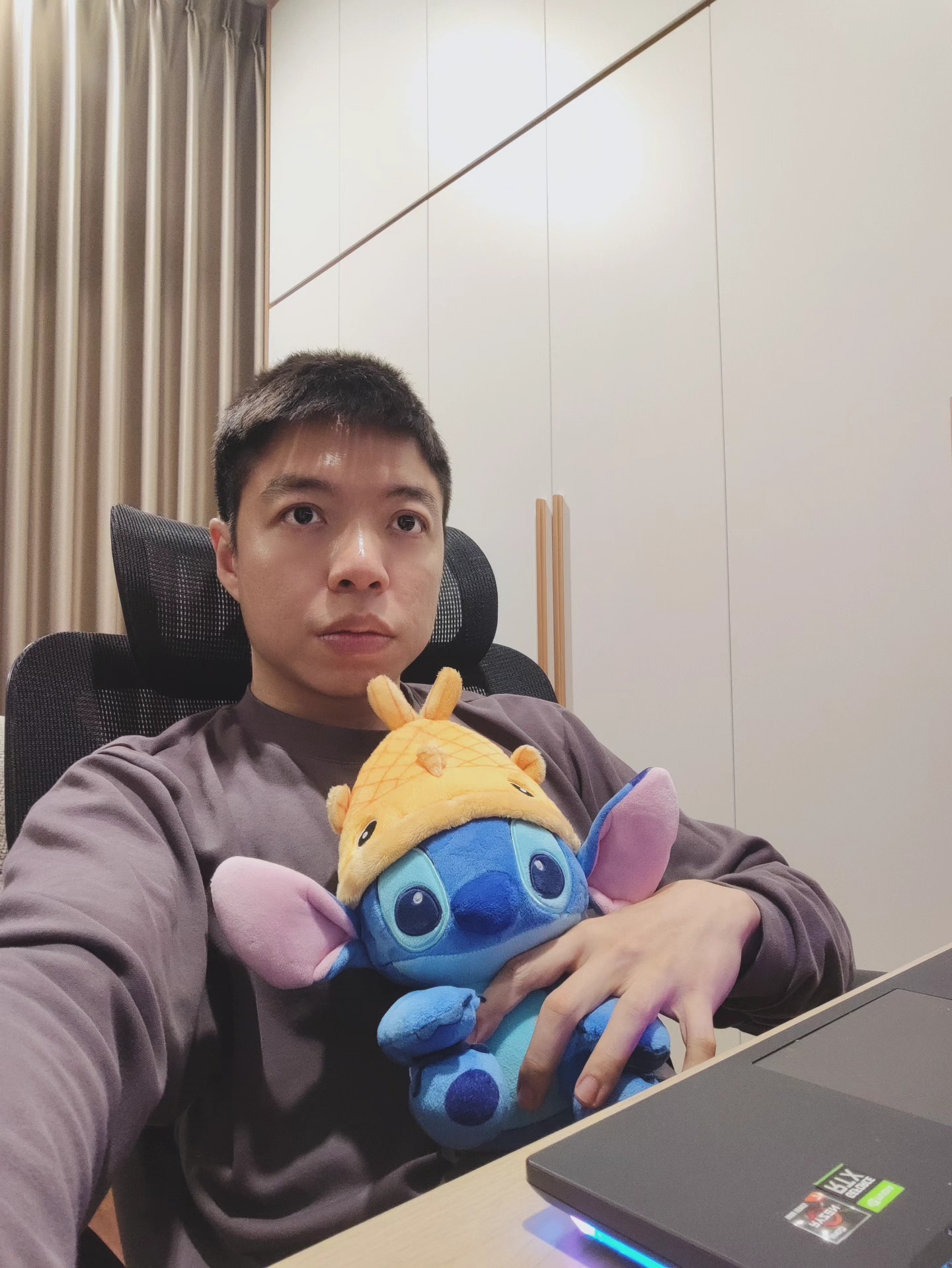
I'm a software developer who's really into automation. I enjoy building systems that handle the boring stuff automatically — so I can focus on building the next one.
AI has changed the way I build. I work with Claude Code as a real development partner — planning features, writing and refactoring code, reviewing my own work, and shipping in hours what used to take days. But I don't just accept whatever the AI hands back: I read every line, keep the architecture in my own head, and stay fully responsible for what ships. The way I see it, AI doesn't replace engineering judgement — it removes the repetitive parts, so I can spend my time on the decisions that actually matter.
I've independently developed close to 100 Android apps, most of which are published on Google Play Store and Huawei AppGallery. I build native Android apps using Kotlin (previously Java), following the MVVM architecture. I'm comfortable with both XML layouts and Jetpack Compose for UI, and use Jetpack components for modern Android development. For local storage, I've worked with SQLite, Room Database, and Realm. I also integrate Firebase across multiple services — Auth, Realtime Database, Cloud Messaging, Remote Config, Crashlytics, Performance Monitoring, and Analytics.
I design clean, responsive web pages using HTML, CSS, and JavaScript — built to look great on both desktop and mobile, with smooth interactions and a strong focus on visual quality. I approach every page with a designer's eye, making sure typography, spacing, and colour work together. I also build Progressive Web Apps (PWA) that work offline, load instantly, and can be installed on any device like a native app. I integrate Google Analytics to track visitor behaviour and gather insights for continuous improvement.
Sites I build are deployed on a global edge network — with automatic HTTPS, DDoS protection, global CDN, zero cold starts, and 99.9% uptime. Pages are served from the edge node closest to the user, keeping load times fast regardless of location. Security headers, SSL certificates, and access controls are carefully configured to keep every deployment clean, fast, and protected from the moment it goes live.
I build backend systems with Node.js, Express, and TypeScript to handle core business logic and REST APIs, consumed by mobile apps and web frontends. I design APIs with clarity and consistency in mind — clean endpoints, proper error handling, and structured responses. Databases include SQL and NoSQL depending on the use case, and everything is deployed on Google Cloud for reliability and scalability.
I design automation workflows using n8n — connecting third-party platforms like Telegram, Google Sheets, and Google Drive to eliminate repetitive manual work. Each workflow is built to be reliable, maintainable, and easy to extend. I also build AI agent pipelines that receive inputs, reason through conditions, and act automatically without human intervention — turning complex multi-step processes into systems that just run.
I write Pine Script strategies and indicators on TradingView to backtest historical data, analyse market conditions, and generate precise trading signals. Each strategy is tested across different timeframes and market conditions before going live. These signals are then connected to my backend system via webhooks, enabling fully automated trade execution on major exchanges with risk controls built in.
"I think I'm just lazy by nature. As a kid, I always wished there was magic that could do the boring things for me — automatically, without me lifting a finger. Growing up, I realised that magic actually exists. It's called code.
I also grew up loving art — drawing, aesthetics, anything beautiful. I wasn't very good at drawing, but I knew I had an eye for beauty. That's what pulled me toward frontend development first: the idea that you could write code and make something that actually looks good.
That's how my journey in tech began. And somewhere along the way, the lazy kid who wanted magic found his answer in automation — building systems that just run, so I don't have to."
"Someone once asked me why I like Stitch — that little blue alien experiment who somehow ended up being the most lovable creature in the universe.
For me, space has always represented the unknown. It's vast, mysterious, full of things we haven't discovered yet — and that's exactly how I feel every time I pick up a new skill. The curiosity never goes away.
Every project I build feels like running an experiment. You start with an idea, throw in a mix of tools and logic, and see what comes out the other end. Sometimes it's messy. Sometimes it surprises you. But when it works — when the experiment comes to life — there's nothing quite like it.
Maybe that's why Stitch makes sense to me. He was built in a lab, a little chaotic, a little unconventional — but he turned out just fine."